
Muslim Counselling Services in Tooting


How Can I Build My Self Esteem?
(7 Basic Steps to Make a Difference)
Improving self-esteem is basically improving how you view and value yourself. While some have a high self-esteem by nature, there are also some who need to work on further developing it. After all, the lack of self-esteem is often one of the reasons why we are afraid to try out new things, and it also affects our productivity.
How to Build Self-Esteem
Everything starts with believing yourself. If you, yourself, don’t believe in your own capabilities, then how can you expect others to believe in you? Instead of saying that you can’t do something, why not at least try doing it before you give up? Also, it would be best for you to develop a positive thinking so that you will not easily back out on the challenges that you will face in your life.
As much as possible, you shouldn’t also worry about what other people think about you or about what you are doing (as long as you don’t step on other people’s toes). What’s important is that you are enjoying yourself.
The results would be so much better if you choose to do something because you love doing it or you are passionate about it and not because you are forced to do it. Instead of doing things just to please the people around you, you should do the things that can make you feel happy.
Also, it is important to keep in mind that you cannot please everyone no matter how much you try improving yourself. So, just because a certain someone is not pleased with you doesn’t mean that others feel the same. There would surely be someone who appreciates your efforts.
Although you might not be good in everything, for sure, there are some areas where you are good at. So, list them all down. If you can’t think of anything, then you can ask your family and friends who have been with you for a long time.
Of course, don’t forget to list down your weaknesses as well and then challenge yourself to become better at it. When doing this, you can consider the Quran and Sunnah as your guide to help determine what you did right and what you did wrong.
In times when you don’t even appreciate yourself and the efforts you have exerted, spend some time with people who appreciate and love you. Being surrounded with people who show you that you are also someone valuable is a great way for you to start improving yourself since they can provide you great support, especially when you are experiencing difficulties
Moreover, they can also make you feel better about yourself. Whenever you start doubting yourself, think of the compliments that you have received before, and you will surely feel better.
This tip for improving self-esteem does not necessarily mean that you should try your hardest to be pretty, but this only means that you should at least look clean, decent, and presentable. So, wear a modest Islamic outfit. If you look good, then you would also feel good about yourself. You will also have more confidence when dealing with other people.
No matter how good the people around you are, you still shouldn’t think lowly of yourself. Just because other people are able to do the things that you cannot do doesn’t necessarily mean that you are lesser than them. So, if you find yourself comparing to others whenever you use social media, then it would be best for you to avoid using it.
Accomplished something on your list? Well, no matter how big or small your accomplishment is, you should celebrate. It can be as simple as treating yourself to a good meal or buying something that you have always wanted to buy. Also, don’t forget to praise yourself for you deserve it.
There you have it— some basic tips on how to build self-esteem. Try them out and you will surely find more happiness and satisfaction as you have just overcome one of your barriers in life. However, you should always keep in mind that too much of it can also be destructive.





Speakers profile pics
#combatdepression
We highly recommend reading our Self help Islam and Anxiety article first as this is a continuation
Anxiety and depression are two mental conditions that are often taken lightly but can be quite serious. Although they are not life-threatening, they can actually ruin a person’s life if not dealt with the right away. If you think that you have any of these two conditions and would want to know how to cope with anxiety and depression, then you may use some of the tips given above. If your condition gets out of hand, then don’t be afraid to seek medical help right away.
It’s always better to find a cure while it is still early so that it doesn’t fully take over.
Symptoms of Depression
The symptoms of depression would also fall into four categories just like anxiety.
Self-Help Tips for Depression
As anxiety and depression are often linked together, some of the mental self-help tips for anxiety, such as learning how to control negative thoughts and improve problem-solving can be used for depression as well. Some extra tips would be to:
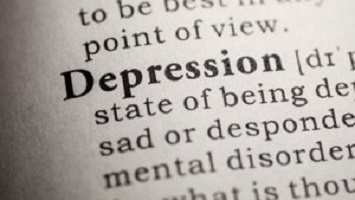
Just like in anxiety, you also need to understand depression to know what you’re up against. In a nutshell, depression is an extreme form of feeling down in the dumps or feeling low. Because of this low and draggy feeling, other feelings and behaviors start to spring out as well. Depression also relates to self perception wherein your feelings of sadness turns into a negative self-view.
When we get depressed, we often are unmotivated to do anything at all because of the low and draggy feeling. With this type of draggy feeling, we would often stop doing things and lessen productivity. With this type of situation, one of the things that we can do would be to force ourselves to do something. After all, the best motivation is from within our thoughts.
One technique is to keep a diary of activities. You must make it your goal to ensure that all your activities are met. Some may include socializing, exercising, getting a hobby, or getting to bed on time. Just make sure you have your checklist and follow it.
This may be hard for a person with depression because depression often makes us only remember the bad things about ourselves. However, with enough practice, noticing our good qualities can become a regular habit.
To make it a habit, it’s good to jot down those good qualities everyday. Some of the things that you can write down would be:
Also, it helps by backing all of these with evidence that all you’ve written is true. For example, you can write that you’re a fast and efficient employee. Your evidence would be because your boss told you so. Write at least one of each everyday until it becomes a habit.
Eating can also help us in fighting off depression. There are certain foods that are actually mood enhancing and may elevate symptoms. Salmon and tuna are seen to have omega-3 fatty acids that can help in stabilizing our mood. Also, leafy vegetables, citrus fruits, and chicken are good for our moods since they contain folic acid.
Also, we should never skip a meal because going hungry may just worsen the effects of the depression.
Lastly, it’s always good to reach out to our loved ones. One of the characteristics of depression is that it makes us feel alone. Having loved ones who are there to support us and just be there for us makes a big difference.
Speaking to a counsellor is an effective way of overcoming depression
Book an appointment with one of our counsellors
Recent Comments